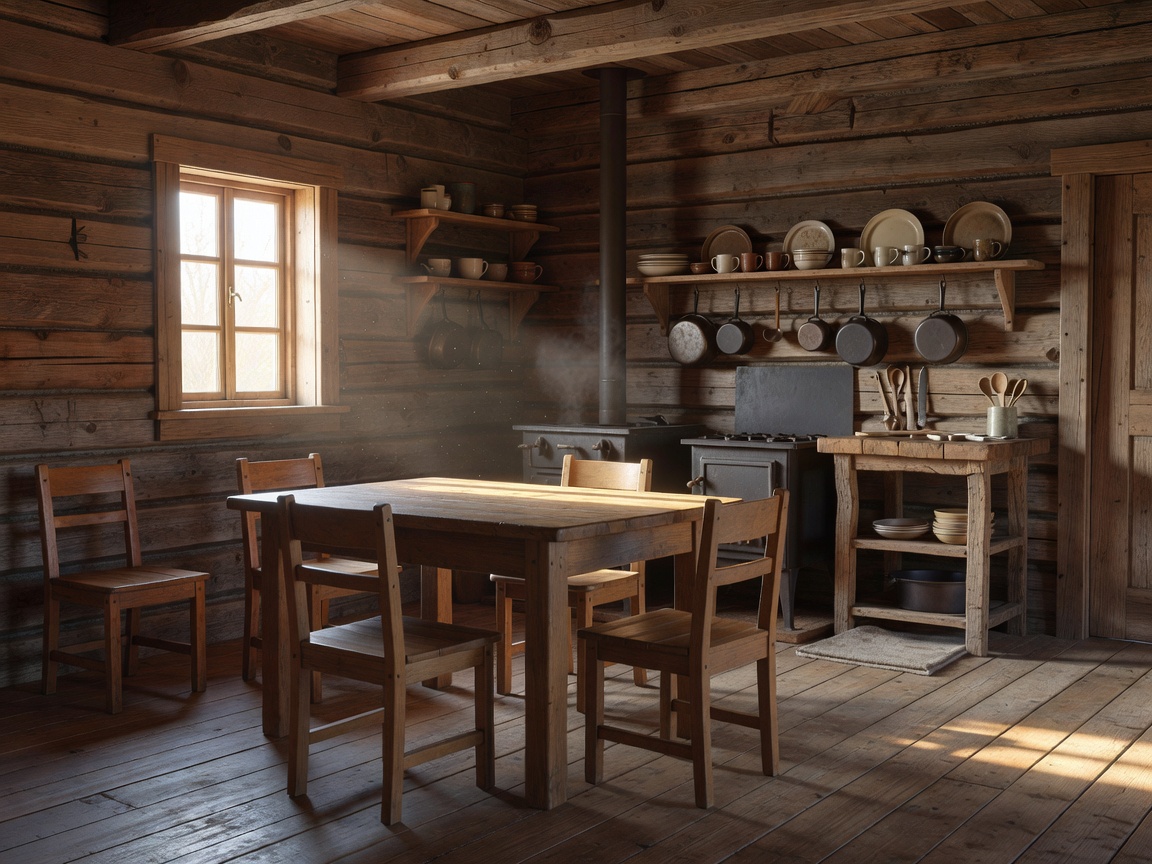
Remote or seasonal accommodation can require more preparation than a fully serviced stay. Ask for written details. Do not infer capabilities from photographs, category names or another cabin’s equipment.
Heating and safe operation
Ask what heating is installed, how guests operate it, whether fuel is provided and whether there are instructions for the specific system. A wood-burning stove, if present and approved for use, requires clear operating guidance and suitable fuel. Do not use a fireplace or stove without permission and instructions. Keep combustible items away from heat sources and follow the property’s fire procedure.
Confirm what happens if a system is unavailable. Do not assume a cabin will be warm on arrival or that a particular appliance can heat every room. Seasonal use and building design affect the practical arrangement.
Cooking, food and storage
Check which cooking facilities are provided and whether cookware, utensils, refrigeration and cleaning supplies are included. Confirm fuel or power requirements for the actual equipment. A kitchen image does not establish that every pictured item is supplied for guest use.
Plan food around the confirmed storage. Keep ingredients in sealed containers and follow local waste guidance. If arrival is late or nearby services are limited, bring food for the first meal rather than depending on an unverified shop schedule. Review allergy and dietary needs with the provider where relevant.
Water and sanitation
Ask whether water is connected to a network, supplied from a private system or brought in by guests. Confirm whether drinking water is provided and what instructions apply. Do not treat clear water as potable without reliable confirmation.
Sanitation may be conventional or use a different system. Ask what facilities are available, how they operate and how waste should be handled. Follow posted instructions. Never pour oils, chemicals or unsuitable materials into drains, toilets or outdoor areas. If facilities are seasonal, establish what remains available during your dates.
Electricity, lighting and communication
“Off-grid” generally means a property is not connected to the public electricity network; it does not specify how power is generated, stored or limited. Confirm what outlets and lighting are available, whether charging is possible and whether any appliances have restricted use. A grid-connected cabin can still have temporary service limits, so check the property’s current instructions.
Bring a charged phone, suitable charging equipment and a backup light where appropriate. Confirm mobile coverage using current provider information, but treat coverage maps as estimates. Share your travel plan with someone if the location is isolated. Ask which contact method to use for arrival questions or urgent property issues.
Understand the accommodation category
Grid-connected
Connected to a public electricity network. Confirm which appliances and services are included and whether any limits apply.
Off-grid
Not connected to the public grid. Ask about supply source, capacity, charging, lighting and guest responsibilities.
Seasonal
May operate only during defined periods or with modified services. Verify dates and seasonal facilities.
Fully serviced
Suggests a broader service offer, but the term is not a complete specification. Obtain an itemised list.
Sleeping, storage and emergency preparation
Confirm bed configuration, linen, towels and the number of usable sleeping places. Check storage for bags and wet clothing. Keep entrances and routes to exits clear. Make sure you know the property address, arrival instructions and local emergency contact process. The cabin provider can clarify property-specific equipment; current authorities provide emergency guidance for the jurisdiction.
Do not assume a first-aid kit, smoke alarm, fire extinguisher or communication device is supplied. Ask what is present and bring personal essentials suited to your group. If a person has a medical need, plan medication storage and access before travel.
Good for
Use this checklist when comparing a serviced cabin with a seasonal or off-grid stay, or when packing for a location with limited nearby services.
What to know
- Get facility details in writing for your dates.
- Confirm drinking water, sanitation, heating and cooking separately.
- Ask about electricity limits, lighting and phone coverage.
- Follow appliance, fire, waste and emergency instructions.
Related field guides
Read about cabin design and heating questions, compare cabin categories or use the stay planning checklist.
Equipment varies by property. This guide does not certify facilities or replace provider instructions.