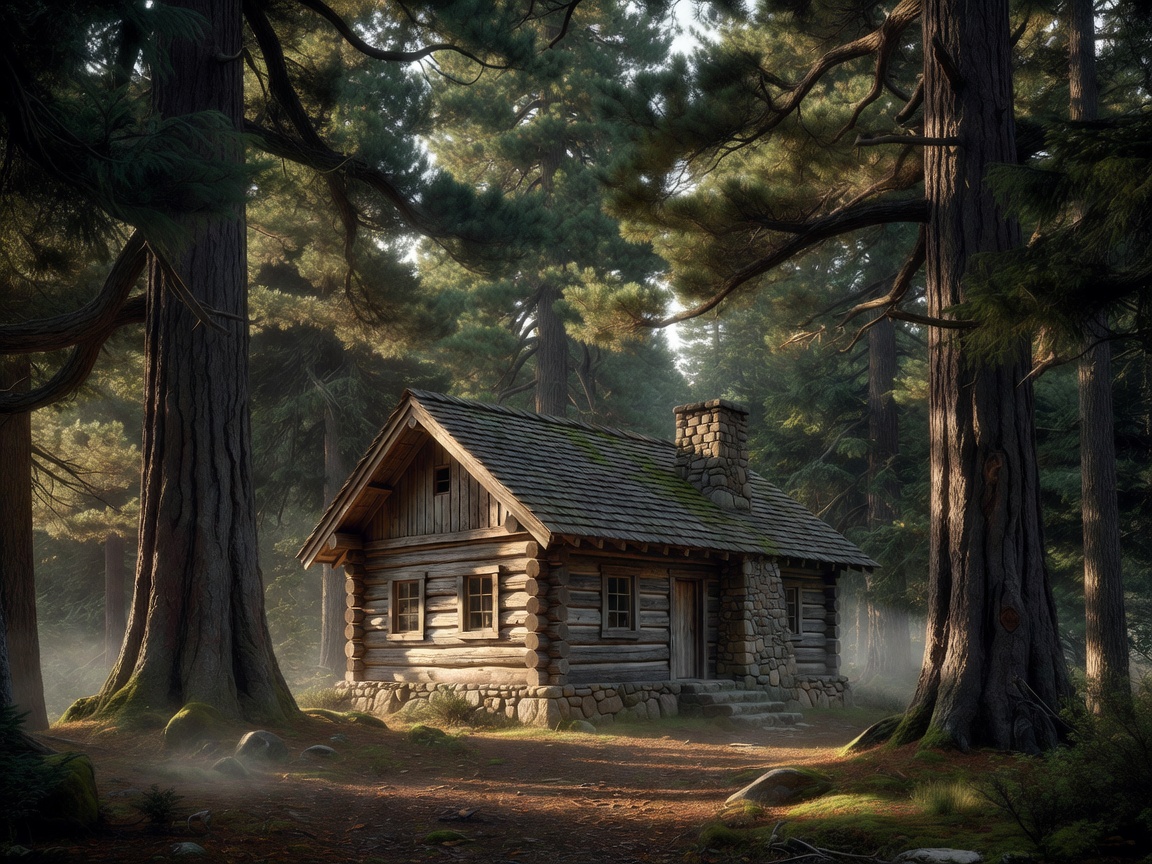
A cabin’s appearance can suggest how it meets the landscape, but it cannot confirm construction quality or comfort. Ask practical questions about the actual building and its operating instructions.
Timber as structure and finish
Timber may appear in the structure, exterior cladding, interior lining or all three. These roles are different. Exposed wood inside contributes to the room’s visual character; it does not by itself tell you how the walls are insulated, protected from moisture or maintained. Ask what surfaces require care and whether any treatment or cleaning restrictions apply during the stay.
Traditional cabin forms often use straightforward shapes and a restrained footprint. Contemporary forest architecture may use similar materials with larger openings, altered rooflines or more open interior plans. These are broad design tendencies, not a reliable guide to age, performance or origin. Do not infer a building’s construction standard from its style.
Compact plans: useful, with limits
A compact cabin can make efficient use of a small interior. The trade-off is less room for luggage, wet clothing, meal preparation or separate activities. Check the sleeping arrangement rather than relying on a total capacity figure. Ask whether beds convert, whether bedding is supplied and where bags can be stored without blocking exits.
For a longer stay, consider indoor drying space, table size, food storage and whether the group can share the room comfortably in poor weather. For a short stay with light luggage, those compromises may matter less.
Windows, light and exposure
Large windows connect an interior to the trees and admit daylight. They can also affect privacy, solar gain and the sense of exposure. Check how window coverings work and whether the cabin is overlooked. On a forest edge, wind and sun exposure may differ from a sheltered woodland position. The exact effect depends on orientation, surrounding trees and building design.
Photographs show selected views, not necessarily every side of a building. If outlook matters, request current images or ask which rooms face the forest, water or access area. Do not assume a window view indicates direct access to a lake or trail.
Insulation and heating are separate checks
Insulation describes a building component; heating describes how indoor warmth is supplied. Neither can be accurately judged from a photograph. Ask what heating system is available, how it is operated, whether fuel is supplied and what instructions apply. Do not use a stove, fireplace or appliance unless the provider has confirmed it is available and explained safe operation.
Seasonal use matters. A building intended for warmer months may not be offered in colder periods. Confirm dates, indoor temperature expectations, water-system arrangements and any limits on winter access directly with the accommodation provider. No single construction detail guarantees comfort in every weather condition.
Materials meet maintenance
Exterior timber, glazing, roofs and decks are exposed to local weather. Maintenance requirements vary by design and material treatment. As a guest, follow the supplied guidance: keep ventilation openings clear, avoid unapproved fires, report damage and do not apply oils, cleaners or coatings. Keep wet equipment where instructed.
Inside, natural finishes can be sensitive to moisture and abrasion. Use mats for muddy footwear where provided. Keep cooking and heating equipment within its specified use. Leave furniture and fittings as found unless the host gives different instructions.
Compare form with operating needs
Traditional, enclosed form
Potential fit: guests who value a compact, sheltered interior and simple layout.
Check: daylight, storage, ventilation and confirmed heating arrangements.
Modern, open plan
Potential fit: guests who value a connected interior and larger views.
Check: privacy, room zoning, window coverings and exposed surfaces.
Good for
Use these notes when comparing the feel of cabins, checking whether a compact plan suits your group or translating architectural images into questions for a provider.
What to know
- Style is not a technical specification.
- Confirm heating, water, ventilation and seasonal operation separately.
- Check sleeping layout, storage and window privacy against your needs.
- Follow all appliance and property instructions.
Related field guides
Compare categories in the cabin guide, then review amenities and essentials. If the building is difficult to reach, check remote access preparation.
This is general reference information, not a building inspection or technical assessment.