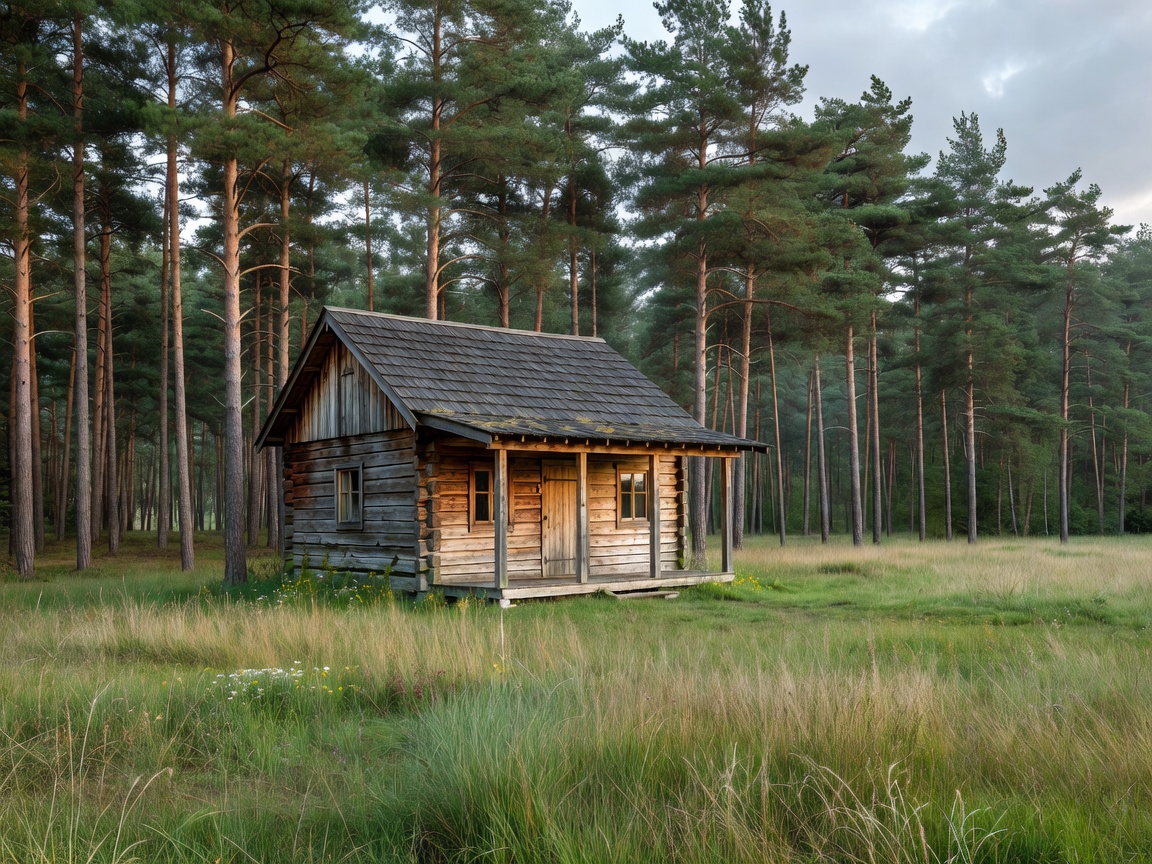
Baltic cabin stays range from serviced accommodation near a settlement to simple structures surrounded by woodland. The label alone does not tell you how to reach the door, what utilities are available or how much preparation is needed.
Start with the setting
A woodland cabin sits within or beside trees. Shade, wind exposure and the immediate ground surface can differ even between nearby sites. Ask whether the cabin is reached by a public road, private drive, forest track or a final walk. Do not assume a map pin describes the whole approach.
A lakeside cabin offers proximity to water, but access to the shore, water use and local rules are property- and place-specific. Confirm whether the shoreline is shared, private, accessible year-round or affected by seasonal conditions. Never treat a lake as a guaranteed swimming or boating facility.
A clearing or forest-edge position may have more open sky and a different exposure to wind and rain. Compact cabins may reduce interior space and storage. Their practical fit depends on party size, trip length and the equipment supplied.
Cabin categories are planning clues
- Serviced: may have several utilities, but verify each one rather than relying on the category name.
- Seasonal: intended for some parts of the year. Ask about operating dates, winter access and heating arrangements.
- Remote: may involve limited services, a longer approach or fewer nearby options. Request exact arrival instructions.
- Compact: can suit a short, light stay. Check sleeping layout, indoor work or dining space and luggage storage.
These are descriptive groupings, not regulated ratings. A listing can combine them. For example, a compact cabin can be serviced, or a lakeside cabin can be remote. Request written details for water, sanitation, cooking, power, heating, waste and mobile reception.
Season changes the operating picture
Longer daylight can make outdoor movement easier to schedule, but weather remains variable. In colder or darker periods, daylight, road conditions and the usefulness of supplied heating become more important. Spring and autumn can bring changing ground conditions. These are broad planning considerations, not a forecast for a specific date.
Ask the provider what is available during your dates. Confirm whether access instructions, water systems, outdoor facilities or nearby services change seasonally. Use current local forecasts and transport information close to departure.
Regional variation
“Baltic” covers distinct countries, landscapes and local arrangements. Forest composition, road networks, settlement patterns and access rules vary. A cabin near a town and a cabin in a sparsely settled area can require different planning even if both are surrounded by trees. Do not transfer assumptions from one region to another.
Use the actual address or agreed meeting point to understand the journey. Check which country’s local guidance applies, whether a final transfer is needed and what contact method is reliable. This guide does not identify accommodation businesses or provide live availability.
Compare isolation, not just scenery
Isolation is practical, not only visual. Consider the distance to shops or assistance, the service level, phone coverage, emergency access and how many people are travelling. Ask what to do if arrival is delayed. If someone in your group has mobility, health or dietary needs, confirm that the access route and facilities can meet them.
More connected setting
Useful for: easier supply planning and access to services.
Trade-off: less separation from roads, neighbours or settlement activity may be possible.
More isolated setting
Useful for: a quieter woodland context and fewer nearby buildings.
Trade-off: greater dependence on preparation, clear directions and confirmed facilities.
Good for
Use this guide if you are comparing cabin categories, deciding between lake and forest settings, or checking whether a remote stay fits your group’s experience and needs.
What to know
- Confirm services and access with the accommodation provider.
- Check current local weather, transport and applicable access guidance.
- Ask about arrival procedures, emergency contacts and departure tasks.
- Pack for the actual season and the facilities confirmed for your stay.
Next checks
Use the amenities checklist to compare facilities. For a route and arrival plan, read remote cabin access and preparation. The stay planning guide covers transport, supplies and responsible travel.
General guidance only. Accommodation descriptions and local conditions can change. Confirm current details with relevant sources before travel.